The ranch
How a bull ranch works
What a fighting-bull ranch is, how the bulls are raised and tested, and what the ranch behind this country show says about its own animals.
Book the ranch show ↗Quick answer
A fighting-bull ranch breeds cattle selected for aggression, energy, strength and stamina, raised free-range on large estates and tested as young animals. El Carrascal, the ranch behind this show, says its Torrestrella bulls graze there beside the Domecq family's horses. The ranch's pages do not describe what becomes of its bulls, so this guide uses Wikipedia's account of the breed for context and marks clearly where that account ends and the ranch's own words begin.
El Carrascal and Torrestrella
The ranch's home page says El Carrascal is the farm where the brave bulls of Torrestrella and Mr Álvaro Domecq's horses graze. It places the farm in the La Janda area of Cádiz province, near Benalup-Casas Viejas. A second page says the Torrestrella cattle ranch was founded by Álvaro Domecq in 1954, and that Viajes Torrestrella, an incoming travel agency, has its headquarters at the farm. The show is therefore one product of a working business that has other activities alongside it.
How the breed is raised
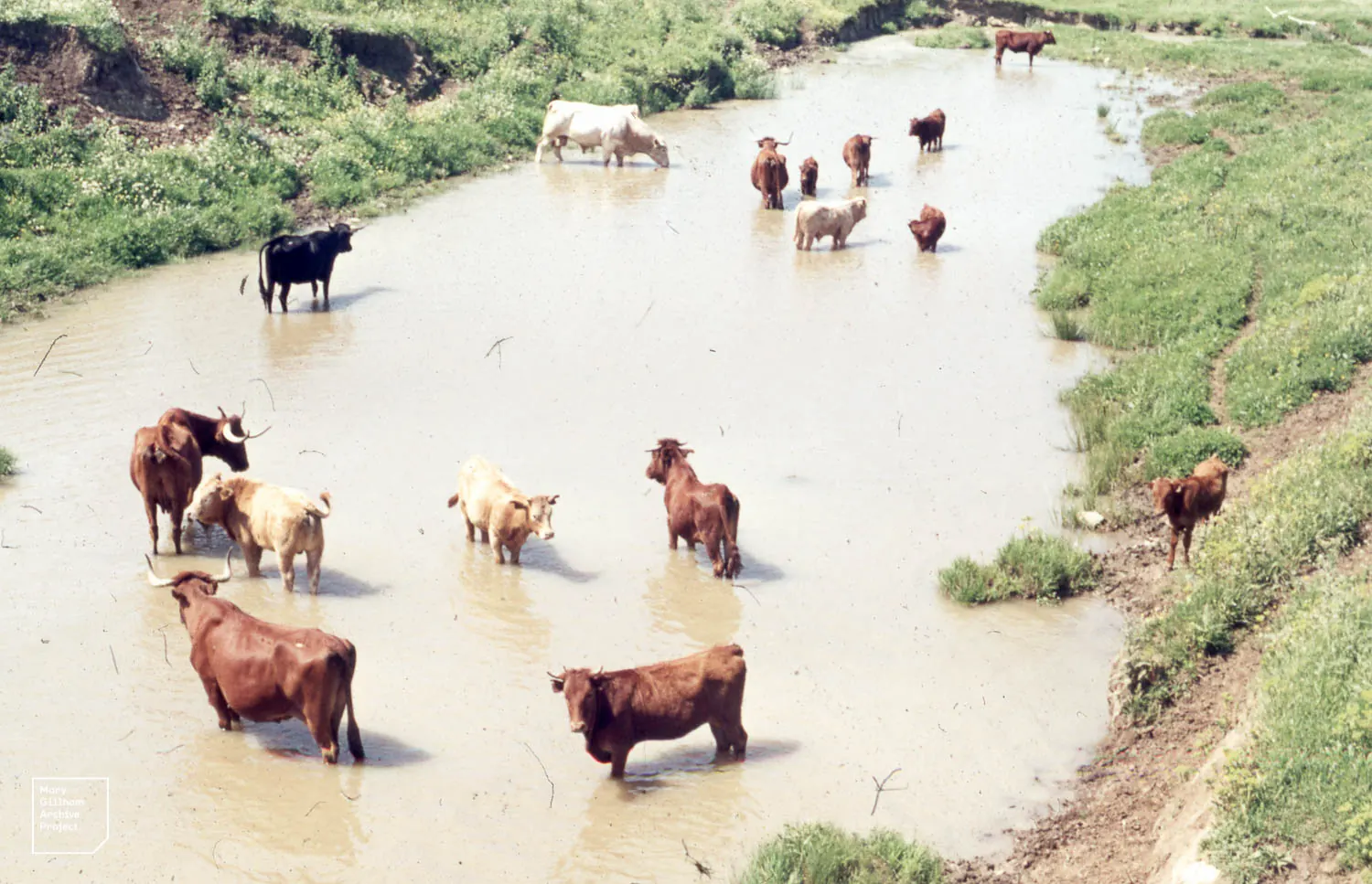
Wikipedia says the Spanish fighting bull is raised exclusively free-range on extensive estates in countries where bullfighting is organised. Calves spend their first year with their mothers, are then weaned and branded, and are kept in single-sex groups. During breeding, the article says, the bulls rarely meet people, and never on foot. The ticket for this show gives a matching detail: its Torrestrella bulls spend four years in the open countryside. The article adds that under Spanish law a bull must be at least four years old to fight in a first-rank bullring.
The tienta, the test of young cattle
When fighting cattle reach maturity after about two years, Wikipedia says they are sent to the tienta, or testing. For males the test establishes whether they are suitable for breeding, for the bullfight, or for slaughter for meat. The article says the testing for the bullfight concerns only the animal's aggression towards a horse, and that females are tested more thoroughly. The ranch's own agency page lists tienta among the activities it can arrange. It is not part of this ticket, and the sources do not say whether the show includes anything like it.
What bravery means in a breed
The ticket says the Torrestrella bulls are famed for their bravery and ferocity. Wikipedia explains the word in breeding terms: fighting bulls are selected primarily for a combination of aggression, energy, strength and stamina, and the aggression has been maintained and increased by selective breeding. It also notes that these cattle respond to movement, not to colour, since they cannot see red. In a visit, bravery therefore means a trait the family has bred for across generations, and that is what the ranch's presentation sets out to show.
Horses on horseback and the family museum
The ranch's programme includes a visit to the stables, the tack room and a family museum of three generations of the Domecq family in the art of bullfighting on horseback. Wikipedia describes that art as rejoneo, a form of bullfighting in which the bullfighter, or rejoneador, fights from a horse, still performed though less often than fighting on foot. So the horses you watch are part of a family tradition that includes that form. The ticket's inclusions list does not mention the museum, so check whether your booking covers it.
What the ranch does not say
Nothing on the ranch's pages or the ticket says where its bulls go after the show, how many go to bullrings, or whether any animal is injured. Wikipedia notes in general that bulls fighting among themselves on ranches can cause severe injuries and even death, which is a fact about the breed and not about this ranch. If these questions matter, the ranch's site lists a reservations email and a phone line, and the family that opens its farm to visitors is the right source to ask.
Frequently asked questions
What is a fighting-bull ranch?
A ranch that breeds cattle of the Spanish fighting bull type, raised free-range on large estates and selected for aggression, energy, strength and stamina, according to Wikipedia. El Carrascal, the ranch behind this show, says its Torrestrella bulls graze there.
How old are the bulls?
The ticket says the Torrestrella bulls spend four years in the open countryside. Wikipedia says Spanish law requires bulls to be at least four years old to fight in a first-rank bullring.
What is a tienta?
Wikipedia calls it the testing of young fighting cattle. For males it establishes suitability for breeding, the bullfight or slaughter for meat. The ranch lists it among its activities, but it is not part of this ticket.
Does the ranch say what happens to its bulls?
Not on the pages we read. Ask the ranch directly if you want to know whether its animals are sent to bullrings.
Sources